Saray Cumhuriyet Mahallesi Şehit Ali Aktaş Caddesi 23/D Pursaklar/Ankara
  +90 312 496 51 91
  info@aktifkonferans.com.tr


Differences Between Indoor and Outdoor LED Screens
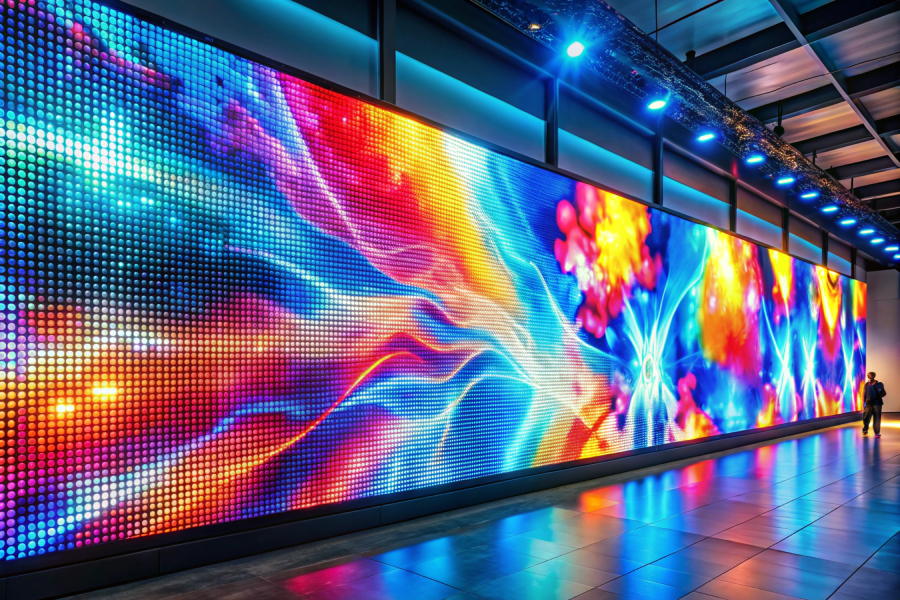
LED screen systems are one of the most powerful display technologies used in many organizations today, from conferences and concerts to trade shows and corporate launches. LED screen rental services are frequently preferred to clearly display stage content, present brand messages more effectively, and enhance the participant experience at events. However, one of the most important considerations when choosing an LED screen is whether it will be used indoors or outdoors.
Indoor and outdoor LED screens are fundamentally based on the same display technology. Both are modular screen systems created by assembling LED panels. However, their areas of use, technical specifications, brightness levels, durability structures, and installation requirements differ. Therefore, an LED screen used for an indoor event should not have the same characteristics as an LED screen chosen for an outdoor event.
Choosing the wrong LED screen can directly affect the image quality of the event. For example, if an indoor screen with insufficient brightness is used at an outdoor event, the image may appear dull in daylight. Using an outdoor screen with excessively high brightness in an indoor venue may be disturbing for viewers. Therefore, the differences between indoor and outdoor LED screens should be well understood, and the right screen should be chosen according to the needs of the organization.
What is an Indoor LED Screen?
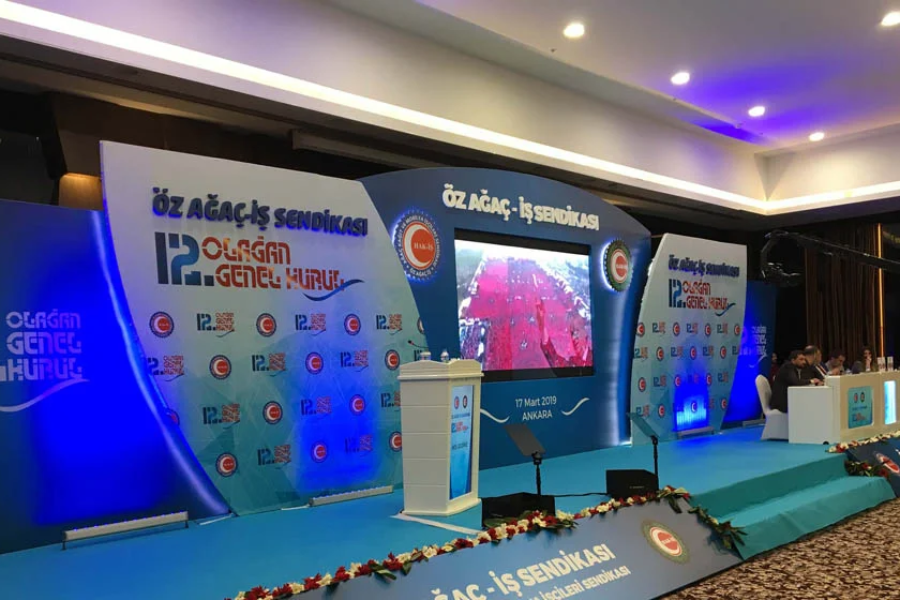
Indoor LED screens are LED screen systems designed for use in enclosed spaces. They are widely preferred in hotels, convention centers, conference halls, exhibition stands, meeting areas, shopping mall events, corporate launches, and indoor stage organizations.
The most important feature of indoor LED screens is that they offer image quality suitable for close viewing distances. In enclosed spaces, participants generally look at the screen from a closer distance. Therefore, the screen resolution, pixel pitch, and image clarity are of great importance. Written presentations, graphics, tables, brand visuals, and video content can be displayed more clearly on indoor LED screens.
These screens have brightness values that can be adjusted according to indoor lighting conditions. They do not require very high brightness because they are not exposed to direct sunlight. This ensures that indoor screens provide a high-quality image without straining the viewer's eyes.
What is an Outdoor LED Screen?
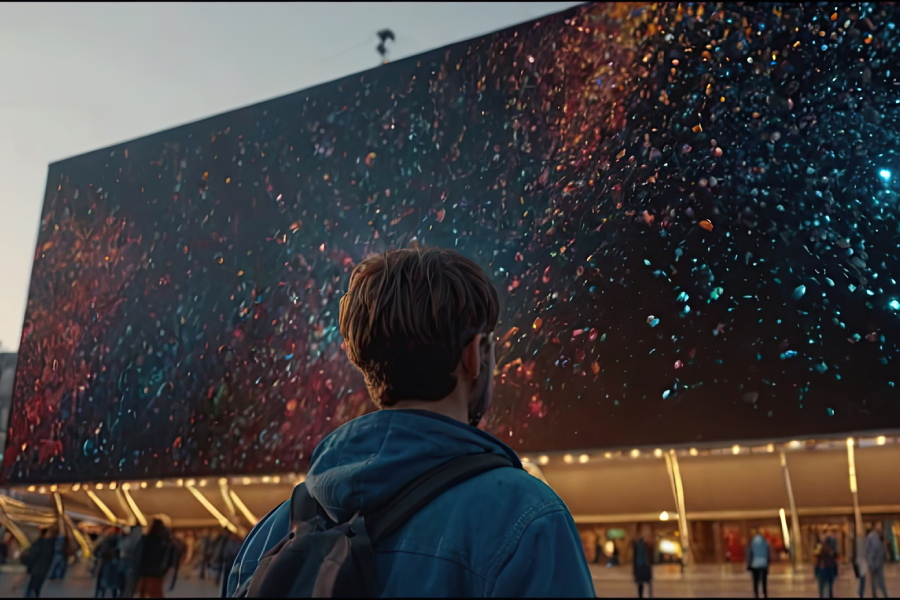
Outdoor LED screens are LED screen systems developed for use in outdoor conditions. They are used in outdoor concerts, festivals, square events, municipal organizations, sporting events, outdoor launches, and large-scale outdoor events.
The most important feature of outdoor LED screens is their high brightness level. Outdoor sunlight directly affects screen visibility. Therefore, outdoor LED screens must have the brightness capacity to provide a clear image even in daylight.
Furthermore, outdoor LED screens are manufactured to be more resistant to outdoor conditions. They must be installed considering factors such as wind, dust, humidity, temperature changes, and in some cases, precipitation. Therefore, the body structure, connection system, and mounting infrastructure of outdoor screens must be stronger than those of indoor screens.
Key Differences Between Indoor and Outdoor LED Screens
The differences between indoor and outdoor LED screens are not limited only to where the screen will be used. Many elements, from the technical structure to the installation process, differ.
Brightness Level
The most significant difference is the brightness value. Indoor LED screens are designed for more controlled lighting conditions because they are used indoors. Therefore, they do not require very high brightness levels.
Outdoor LED screens, on the other hand, must offer higher brightness because they will be used outdoors, in daylight, and under varying lighting conditions. If a screen with low brightness is used in an area with intense sunlight, the images will appear faded, and viewers will have difficulty following the content.
Pixel Pitch and Image Clarity
Indoor LED screens generally have a lower pixel pitch. The smaller the pixel pitch, the clearer the image. Since viewers are closer to the screen indoors, a lower pixel pitch provides a higher quality viewing experience.
Outdoor LED screens, on the other hand, generally have a longer viewing distance. Therefore, the pixel pitch can be higher than in indoor screens. In outdoor concerts or festivals, this structure can provide sufficient image quality because viewers are looking at the screen from a greater distance.
Durability
Outdoor LED screens must withstand outdoor conditions. Screens used outdoors need better protection against rain, dust, wind, and temperature changes. Therefore, the panel structure and connection systems of outdoor screens are designed to be more durable.
Indoor LED screens, on the other hand, are used indoors and therefore do not require the same high level of durability against external factors as outdoor screens. Image clarity, color balance, and close-range viewing performance are more important.
Installation Requirements
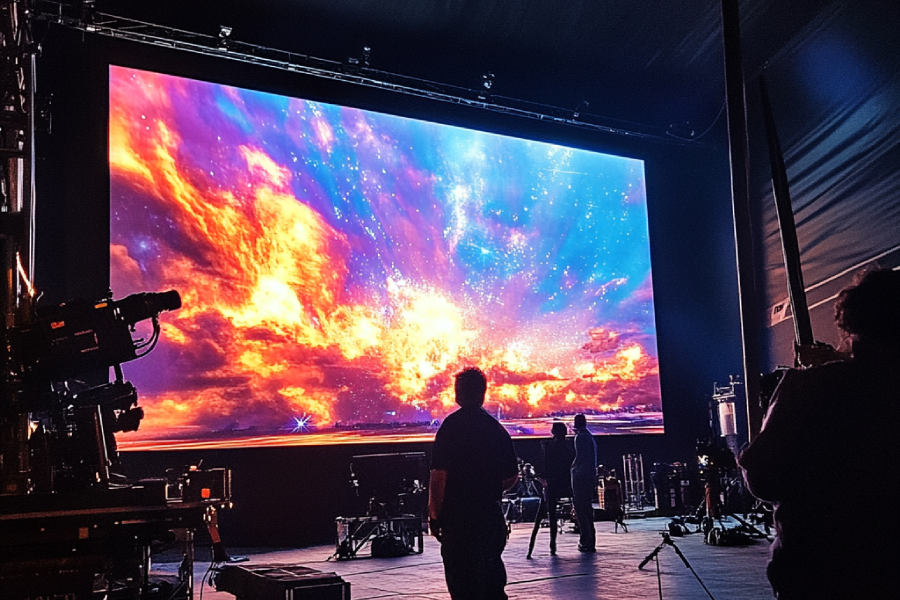
Indoor LED screen installation is generally done in more controlled environments. They can be placed on a stage, backdrop area, or on a special construction inside a hall. Electrical, lighting, and connection conditions are easier to manage.
Outdoor LED screen installation, however, requires more technical attention. Securely fixing the screen outdoors, calculating wind effects, evaluating the ground structure, and properly planning the electrical infrastructure are necessary. Therefore, safety and technical durability become more critical in outdoor installations.
Which Events Use Indoor LED Screens?
Indoor LED screens are preferred in indoor events to provide high image quality. It is an effective solution, especially in events where presentations, speeches, brand promotion, and video displays are important.
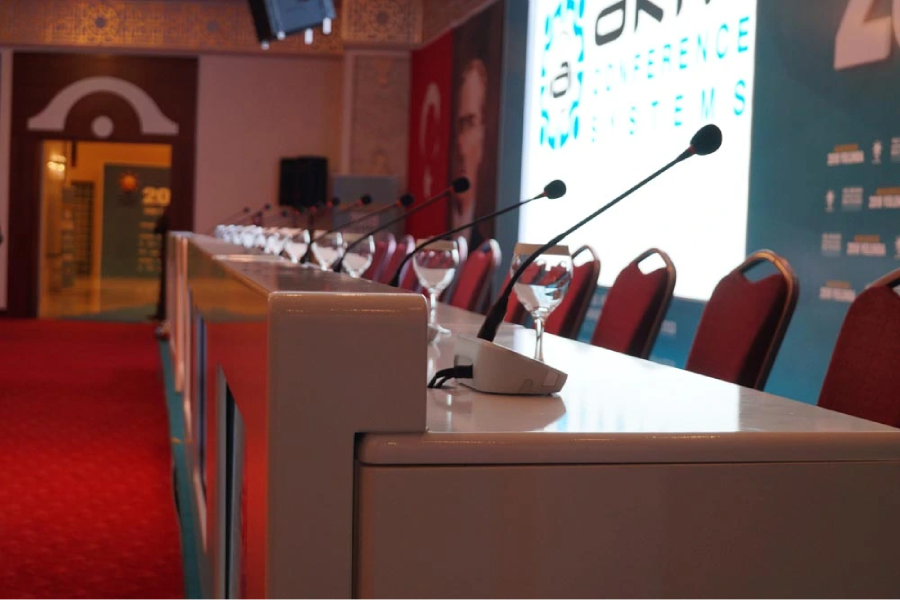
Indoor LED screens in congress and conference organizations ensure that speaker presentations are clearly visible to all participants. Graphs, tables, statistics, and video content can be displayed in high resolution.
The use of indoor LED screens in trade show booths helps brands attract the attention of visitors. Product promotional videos, campaign announcements, and corporate films can be presented more effectively via LED screens.
Corporate launches, dealer meetings, gala nights, award ceremonies, panel discussions, and training organizations are also among the events where indoor LED screens are frequently used.
Which Events Use Outdoor LED Screens?
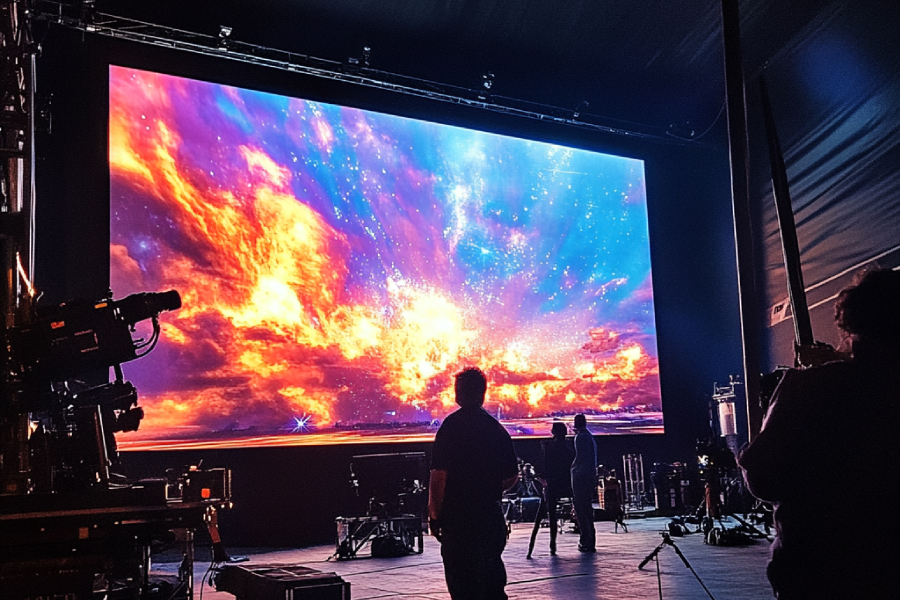
Outdoor LED screens are used in outdoor events to provide a powerful visual experience. In large areas, outdoor screens provide a significant advantage for ensuring that the content on stage can be clearly seen by everyone.
In concert and festival organizations, outdoor LED screens can be used backstage or on the sides of the stage. Artist images, live camera broadcasts, clips, animations, and sponsor content are displayed to a wide audience.
Outdoor LED screens are preferred for municipal events, public square events, outdoor launches, sporting events, and outdoor fairgrounds. Because these screens offer clear images in daylight, they provide effective results in both daytime and evening events.
Outdoor LED screens are especially useful in large-scale events, allowing viewers far from the stage to easily follow the event. This enhances the participant experience and makes the event appear more professional.
Why is the Event Venue Important When Choosing an LED Screen?
To make the right choice of LED screen, the event venue needs to be analyzed in detail. Whether the venue is indoor or outdoor, the viewing distance, lighting conditions, stage size, and the number of participants are all determining factors in the selection process.
In indoor venues, the screen doesn't need to have very high brightness. In fact, excessive brightness can be disturbing for viewers. In such areas, image clarity, color balance, and a low pixel pitch become more important.
In outdoor events, brightness and durability are paramount. The screen needs to be visible in daylight, installed in accordance with outdoor conditions, and planned in a size that will appeal to a wide audience.
Therefore, when renting an LED screen, not only the screen size but also all the technical needs of the event should be considered.
Content Preparation for Indoor and Outdoor LED Screens
To get the maximum benefit from LED screens, the content to be displayed on the screen must be prepared in the correct format. Content design for indoor and outdoor screens may also require different approaches.
On indoor screens, since viewers are closer to the screen, more detailed presentations, graphics, and written content can be used. However, the text should still be of a readable size. Especially in conferences and meetings, simple, clear, and organized presentation designs should be preferred.
On outdoor screens, since the viewer distance is greater, the content should be prepared in a larger, simpler, and higher-contrast format. Small text, complex graphics, or low-resolution images may lose their effectiveness on outdoor screens. Therefore, outdoor LED screen content should be designed to be readable from a distance and easily understood.
The Importance of Professional Technical Installation
Both indoor and outdoor LED screens require professional installation. This includes correct alignment of screen panels, secure connections, testing of image sources, and optimization of screen settings.
In indoor installations, stage design, hall lighting, and viewing angle must be considered. In addition, outdoor installations require consideration of ground safety, construction durability, weather conditions, and electrical infrastructure.
A professional technical team performs installations before the event, conducts screen tests, and monitors the system throughout the organization. This support ensures quick resolution of issues such as image interruptions, connection problems, or content incompatibility.
Indoor and Outdoor LED Screen Rental with Aktif Conference
Choosing an LED screen is a technical decision that directly affects the visual quality of the event. The correct screen type must be determined based on whether the event will be held indoors or outdoors.
Aktif Conference offers professional solutions for indoor and outdoor LED screen rental services, tailored to the event area, number of participants, viewing distance, and content needs. Different screen options can be planned for congresses, conferences, fairs, concerts, festivals, launches, and corporate events.
Installation, image testing, technical operations, and support processes throughout the event are managed by an experienced team. This ensures high image quality, secure installation, and uninterrupted technical performance for organizations.
Choosing the Right LED Screen for Your Event
Knowing the differences between indoor and outdoor LED screens makes it easier to choose the most suitable display system for your organization. Clarity, close viewing quality, and color balance are paramount in indoor settings, while brightness, durability, and wide-area visibility become more important in outdoor events.
With the right screen selection, presentations become clearer, stage content more visible, and brand messages more effective. Choosing the wrong screen can reduce image quality, weaken the viewer experience, and negatively impact the professional image of the organization.
Therefore, the distinction between indoor and outdoor must be considered during the LED screen rental process, appropriate technical planning should be done for the event area, and installation should be carried out by professional teams.