Saray Cumhuriyet Mahallesi Şehit Ali Aktaş Caddesi 23/D Pursaklar/Ankara
  +90 312 496 51 91
  info@aktifkonferans.com.tr


Large Screen Rental for Trade Shows
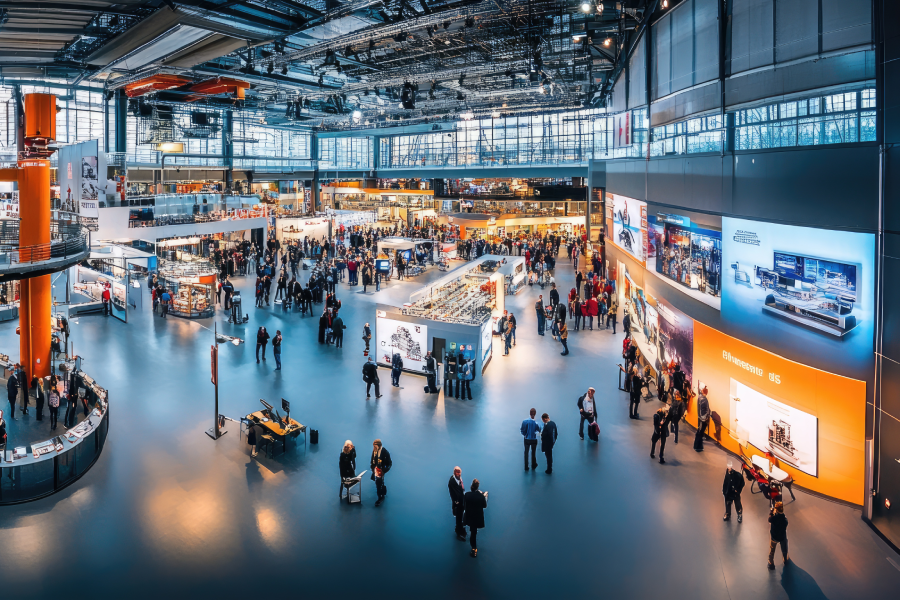
At trade fairs, brands strive to capture the attention of visitors simultaneously. With rows of stands, heavy foot traffic, brochures, product displays, competing firms, and limited interaction times, creating a strong first impression is crucial. In this environment, using only printed visuals or standard display boards may not always be sufficient. Dynamic, bright, and large-scale display systems help brands gain recognition more quickly at the fair.
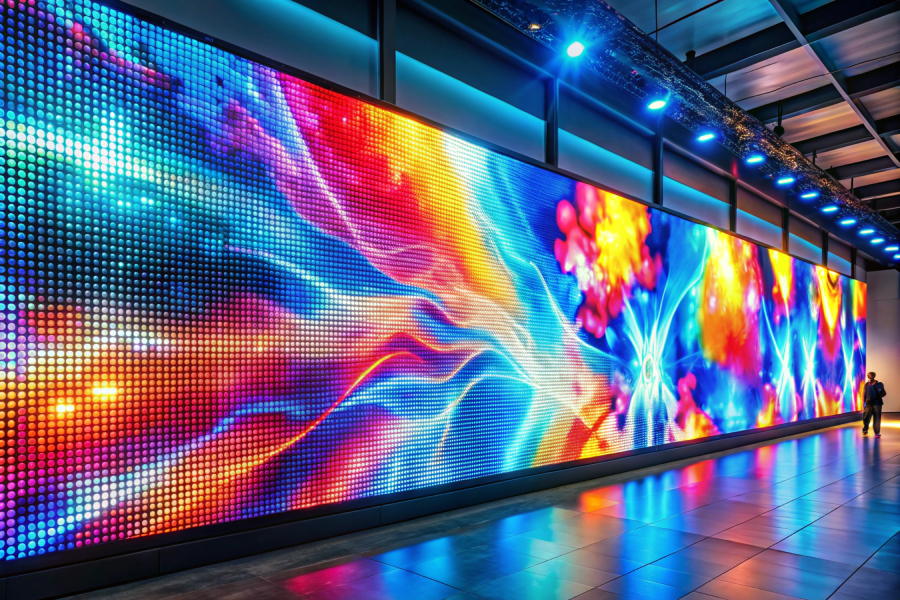
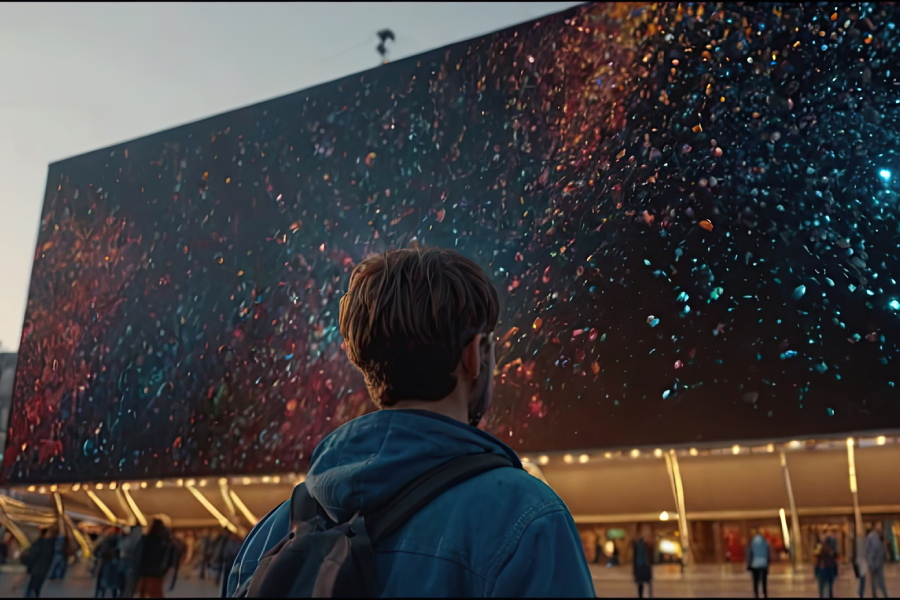
Renting giant LED screens for trade fairs is a professional display solution that allows brands to showcase their products, services, campaigns, testimonials, and corporate messages impressively. LED screens can capture the attention of visitors passing through the aisle within seconds. With the right content and positioning, a trade fair stand transforms from a mere display area into a visual communication hub for the brand.
Visitors have limited time at trade fairs. Instead of meticulously examining each stand, they focus on the companies that interest them. Giant LED screens offer a significant advantage in this regard. Short promotional videos, product usage footage, production processes, campaign messages, customer testimonials, or brand stories can be presented dynamically on the screen.
However, for a successful trade show LED screen application, a large screen alone is not enough. Stand size, viewing distance, hall lighting, screen placement, content format, sound usage, electrical infrastructure, and installation time must be planned together. Without professional planning, a large screen can create clutter in the stand, make content unreadable, or fail to properly direct the image towards the visitor flow.
What is the Main Function of an LED Screen in a Trade Show?
The primary purpose of using a giant LED screen for a trade show is to increase the visibility of the stand and quickly convey the brand message to the visitor. Trade show visitors often make decisions while walking. They may decide whether to stop in front of a stand based on their first impression in a few seconds.
Therefore, the function of an LED screen is not just to play videos. The screen should quickly answer the following questions for the visitor:
- What does this company do?
- What product or service does it offer?
- Why should I visit this stand?
- What problem does the product solve?
- In which sector is the brand strong?
- Is there a new technology, campaign, or solution worth seeing?
Properly prepared LED screen content facilitates the sales team's initial contact. Visitors are drawn to the stand by the content on the screen, ask questions about the product, or initiate a conversation with the staff. Therefore, a trade fair LED screen is not just decorative equipment, but a direct marketing and communication tool.
Stand Location Changes LED Screen Placement
The location of the trade fair stand within the hall directly affects how the LED screen is placed. Corner stands, island stands, row stands, or narrow-fronted stands will not work efficiently with the same screen layout.
In a stand with high pedestrian traffic on an aisle, the screen should be positioned facing the direction of passage. Visitors should be able to see the screen not only when entering the stand but also as they pass through the aisle. If the screen is only visible from inside the stand, its attention-grabbing effect decreases.
In corner stands, a screen layout that caters to two different sides can be implemented. In island stands, the screen can be made a more central visual element. In narrow-fronted stands, the screen size should be chosen so as not to overwhelm the stand.
The height of the screen is also important. A screen placed too low may be obscured by a crowd. A screen placed too high may reduce viewing comfort from a close distance. Therefore, the screen should be positioned in a way that is both noticeable from a distance and easily viewable by visitors standing in front of the stand.
A Giant LED Screen Should Be Part of the Stand Design
In trade show stands, LED screens are often considered as an afterthought. However, in the most successful applications, the screen is planned from the beginning of the stand design.
The surfaces surrounding the screen, brand colors, lighting usage, product display area, and meeting tables should be considered within the same composition. The LED screen should support the overall design of the stand; cables, support systems, and technical connections should be arranged in a way that does not disrupt the appearance.
For example, in a trade show stand where products are presented, the screen can be positioned immediately behind or next to the product to create a link between the usage video and the physical product. Thus, the visitor can see the product in its real form and also watch how it works on the screen.
In stands focused on corporate presentations, the screen can be used for brand videos and reference projects. In technology, machinery, construction, healthcare, automotive, energy, or manufacturing sectors, explaining the function of a product with moving images can be more effective than static visuals.
Which Trade Show Content is Most Effective on LED Screens?
Because visitors have short attention spans in a trade show environment, content used on LED screens should be simple, powerful, and easily understood. Long texts, small fonts, or explanatory videos lasting minutes often do not create the desired effect.
Effective LED screen content that can be prepared for a trade show includes:
- Short product introduction videos
- Production process images
- Before-and-after application examples
- Reference project images
- Campaign and launch announcements
- Industry solution messages
- Brand film
- Dealership or business partnership calls
- Animations showing technical advantages
- Social media and website links
Messages in the content should be kept short. Even if the visitor is not standing in front of the screen, they should be able to understand the main idea while walking. Large fonts, high contrast, clear visuals, and repetitive short messages are more suitable for a trade show environment.
Screen content should not only look good but also support the sales process. It should encourage visitors to approach the stand, ask questions about the product, or contact the brand representative.
Using Giant LED Screens for Product Presentation
At trade fairs, simply displaying a product may not be enough. The application area, working principle, or technical advantages of some products may not be immediately apparent at first glance. In this case, a giant LED screen becomes a crucial presentation tool.
Companies showcasing machinery, industrial equipment, medical devices, building materials, automotive products, or technology solutions can demonstrate how the product works via LED screens. Animations, application videos, and field footage help visitors understand the product more quickly.
LED screens offer a significant advantage, especially for large products or those difficult to operate on-site. Machines, completed projects, or field applications that cannot be brought to the exhibition area can be displayed on the screen.
This use is also supportive for the sales team. The representative can utilize videos or images on the screen while explaining the product to the visitor. This makes the presentation more concrete and effective.
Selecting LED Screens for Indoor Trade Fairs
Most trade fairs are held indoors. Therefore, indoor LED screens are frequently preferred for trade fair stands. Close viewing distance and image clarity are important for indoor screens.
Since visitors will be passing several meters away from the stand, the pixel pitch must be chosen correctly. Screens with very wide pixel pitches may appear pixelated from close up. This can reduce the perception of quality, especially in text, logos, and product details.
The brightness level should also be balanced in indoor trade show screens. The screen needs to be eye-catching; however, very high brightness can strain the eyes at close range. Hall lights, stand lighting, and screen brightness should be adjusted together.
The light and image intensity from different stands in the exhibition area should also be taken into account. For the LED screen to highlight the brand, the content should be simple, have high contrast, and be consistent with the brand identity.
Screen Size Should Be Determined According to Stand Area
When renting a giant LED screen for a trade show, simply adopting a "make it big" approach is not correct. The screen should be proportionate to the stand area.
Using a very large screen in a small stand can narrow the space and restrict the area where interaction with visitors will take place. Using a small screen in a large stand can reduce the visibility effect.
The following factors should be considered when determining screen size:
- Stand width
- Stand height
- Visitor passage direction
- Closest viewing distance to the screen
- Type of content to be displayed on the screen
- Product display area
- Location of meeting tables
- Technical rules of the trade fair organizer
While horizontal wide screens are effective in some stands, vertical LED screens may be more suitable in other designs. Vertical screens are particularly preferred for product visuals, social media formats, portrait videos, and entrance area highlights.
Sound Usage Should Be Carefully Planned
Sound usage in conjunction with LED screens in trade fair areas should be carefully planned. If the sound of the promotional video is high, it may disturb surrounding stands and restrictions may be imposed by the trade fair management.
Therefore, the sound system in trade fair stands should be adjusted to address only the necessary area. Sometimes videos are prepared silently and messages are conveyed in written form. In some cases, low-level directional speakers can be used.
If a live presentation, product explanation, or stage program will be held at the stand, a microphone and speaker system should also be included in the plan. The presenter's voice should be clear, but not create an unpleasant echo throughout the room.
If audio content is to be used, video audio should be tested before the event, and any sudden increases in music volume or uneven sound levels should be corrected. In a trade show environment, clean and controlled sound supports a professional brand image.
LED Screens in Live Presentation and Demo Areas
Some exhibition booths may host live presentations, product demos, or mini-events at specific times. In such programs, the LED screen becomes the main visual tool supporting the presentation.
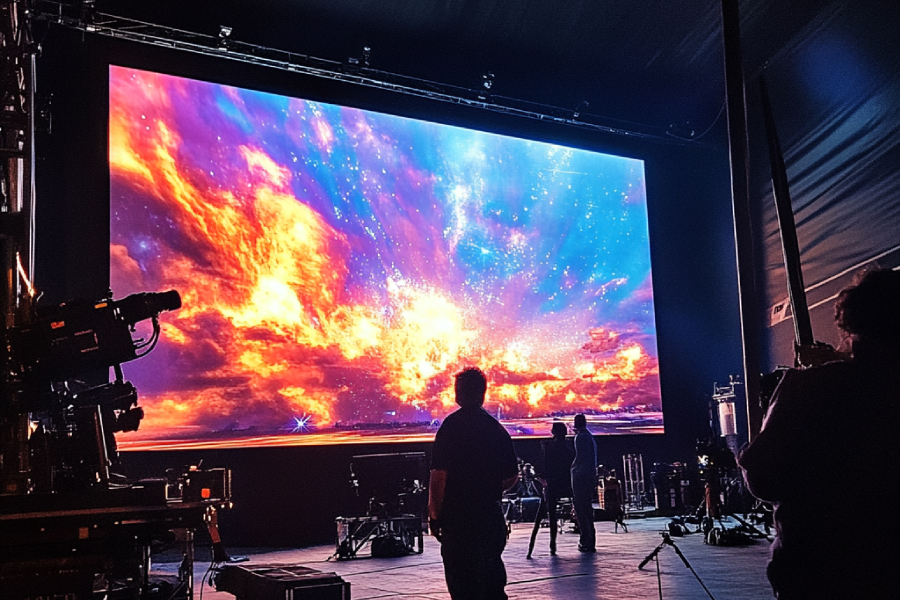
The presenter or product expert can explain using graphics, videos, or technical drawings displayed on the screen. Product demos can be filmed from a close-up and projected onto the LED screen. This allows a large group of visitors to follow the product more easily.
In booths where live demos are held, the camera, microphone, screen, and presentation computer should be planned together. Image transitions should not be delayed, the speaker should move in sync with the screen, and the visitors' field of vision should not be obstructed.
This structure can be particularly effective in technology, medical, machinery, automotive, software, and industrial product fairs. Showing not only the product but also how it works increases visitor interest.
Compliance with Fair Rules and Technical Specifications
Every booth design and technical setup in exhibition areas is subject to specific rules. Before LED screen installation, the height, electrical, suspension, sound, and security requirements determined by the organizer must be checked.
In some exhibition centers, special permission may be required to hang the screen from the ceiling. Certain height restrictions may apply in some areas. Electrical connections, cable runs, and floor usage must comply with organizational rules.
Installation times are also important. Specific time slots are allocated for assembly and disassembly at exhibition areas. Since LED screen installation, stand setup, and other technical equipment installation will proceed simultaneously, the work sequence must be planned in advance.
Failure to comply with technical rules may result in installation delays or intervention by exhibition management. Therefore, the LED screen rental process should be coordinated between the stand design team, the organizing company, and the technical team.
Electrical and Signal Infrastructure Must Be Prepared in Advance
Large LED screens require a certain amount of electrical power. As the size of the screen increases, so does the energy requirement. It must be checked whether the allocated electrical capacity at the exhibition stand is sufficient for the LED screen, lighting, computers, product devices, and other equipment.
Insufficient electrical infrastructure can cause problems such as fuse blowing or screen interruptions. This negatively impacts the brand's professional image during the exhibition.
Signal infrastructure is equally important. From what source will the image be displayed on the screen? Will a computer, media player, control room system, or camera be used? These questions must be answered before the event.
Cable routes should be arranged so that they are not visible inside the stand and do not pose a security risk. Exposed cables should not be left in visitor passage areas. If necessary, cable trays or hidden connection routes within the stand should be used.
Why is Pre-Exhibition Content Testing Important?
After the LED screen is installed, the content needs to be tested on the actual screen. A video that looks good on a computer screen may appear cropped at different ratios on an LED screen. Small text may be unreadable from a distance. Low-resolution images may appear blurry when enlarged.
The following checks should be performed during pre-exhibition testing:
- Is the video resolution suitable for the screen?
- Do the images appear clear?
- Is the text readable from the aisle?
- Are the colors consistent with the brand identity?
- Do the videos loop smoothly?
- Is the sound level controlled?
- Is the screen brightness suitable for the hall lighting?
- Are the logos and campaign messages in the correct position?
These tests help resolve potential display problems at the exhibition opening. The first hours of the exhibition are when visitor traffic is heavy; therefore, the screen must be ready and tested before opening.
How are the prices for renting a giant LED screen for a trade show determined? The price of LED screen rentals for trade shows varies depending on the size and technical specifications of the screen. Giving a fixed price is often inaccurate, as each stand has different dimensions, installation methods, and intended use.
The main factors affecting the price are:
- Total square meter size of the screen
- Indoor or outdoor panel usage
- Pixel pitch
- Stand installation method
- Whether the screen will be floor-standing or suspended
- Duration of the trade show
- Installation and dismantling times
- Technical personnel requirements
- Media playback or control room system requirements
- Live camera or demo support
- Transportation and logistics conditions
- Content preparation or format adjustment needs
If the trade show lasts several days, the duration the screen will remain in the area throughout the show is also included in the pricing. For multi-day events, the need for technical checks and content updates should be considered separately.
For an accurate quote, the stand dimensions, exhibition area, intended use of the screen, content type, and installation plan should be clearly shared.
Common Trade Show Mistakes When Renting LED Screens
Using LED screens at trade shows provides a significant advantage; however, poor planning can weaken this advantage.
One of the most common mistakes is adding the screen to the stand design afterwards. In this case, the screen may not be placed at the correct angle or may obscure product areas within the stand.
Another mistake is not preparing the content according to the trade show environment. Long text, low contrast, or small font content will not be noticed by visitors. Trade show content should be short, clear, and attention-grabbing.
Common mistakes include:
- Choosing a screen that is too large or too small for the stand size
- Not rotating the screen towards the flow of visitors
- Using low-resolution content
- Not preparing the video aspect ratio according to the screen size
- Planning a suspended installation without checking trade show rules
- Leaving the electrical capacity insufficient
- Using the sound level uncontrollably
- Inadequate technical personnel planning
- Not integrating the screen into product and sales presentations
These mistakes can be prevented with prior technical planning and content control.
Active Conference: Giant LED Screen Solutions for Trade Shows
Active Conference offers giant LED screen rental solutions for trade show stands, product presentations, brand launches, industry meetings, and corporate presentation areas.
The appropriate LED screen size and panel type are determined by evaluating the size of the trade show stand, its location within the hall, visitor flow, and brand message. Horizontal, vertical, stand-in, stage-back, or support screen solutions can be planned according to need.
Before installation, the electrical and signal infrastructure is checked, the screen position is made compatible with the stand design, and the content is tested according to the screen dimensions. Support can be provided throughout the fair to ensure the screen functions properly, the content is displayed correctly, and the technical flow runs smoothly.
Depending on the need, the LED screen system can be planned together with a sound system, live camera, control room, stage decor, and presentation infrastructure. Thus, the trade show stand becomes not just a static display area, but an active promotional area that attracts attention and communicates with the brand.
A Powerful Promotional Space That Makes Your Trade Show Stand Visible
Renting a giant LED screen for a trade show is an effective solution that allows brands to be more visible in a crowded and competitive trade show environment. A correctly positioned screen attracts visitors' attention, strengthens product or service presentation, and supports sales team communication.
For a successful implementation, the screen size, pixel pitch, location within the stand, content format, electrical infrastructure, and technical setup should be planned together. The LED screen should not be considered as a piece of equipment independent of the stand design, but rather as part of the brand's visual language and marketing strategy at the trade show.
Giant LED screens, supported by short, clear, and impactful content, capture the attention of trade show visitors and make the brand stand out among competing stands. This creates a stronger brand experience within the trade show area.