Saray Cumhuriyet Mahallesi Şehit Ali Aktaş Caddesi 23/D Pursaklar/Ankara
  +90 312 496 51 91
  info@aktifkonferans.com.tr


LED Screen Rental for Congresses
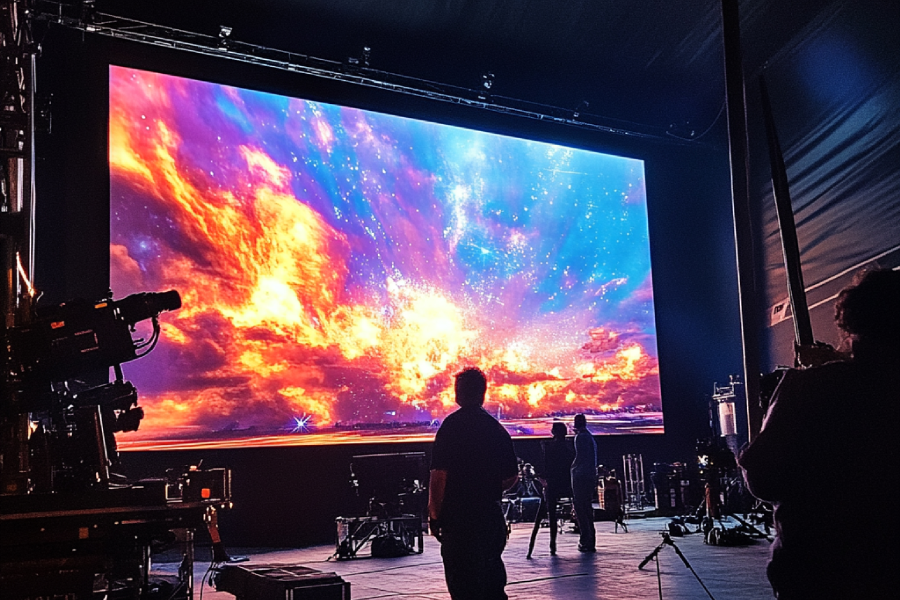
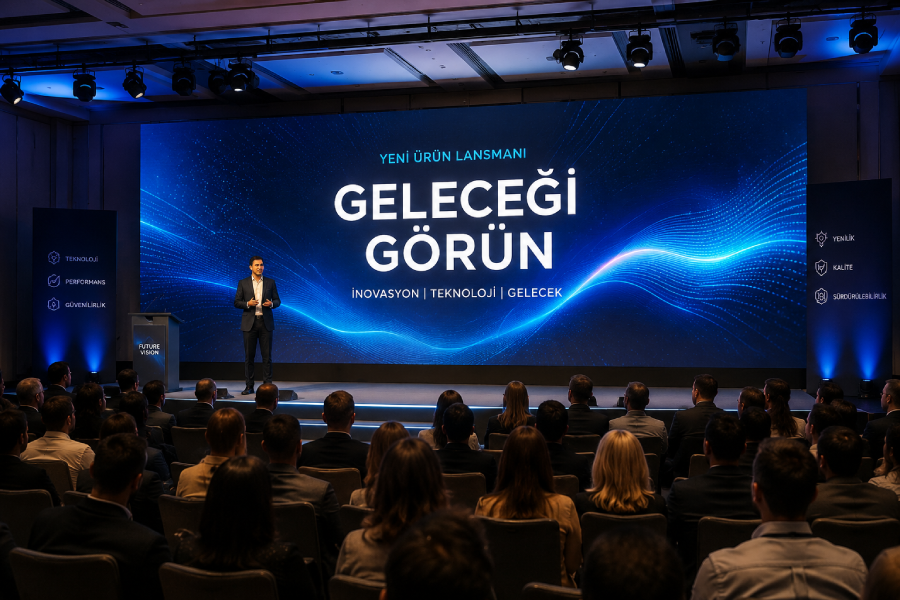
When a speaker takes the stage at a conference, it's crucial that everyone in the room focuses their attention on the same point. The clear visibility of graphs, scientific data, videos, and live camera footage in the presentation, even from the back rows, directly impacts the professional perception of the event. Conference LED screen rental is a professional display solution that ensures high-quality presentation of content in meeting rooms of varying sizes, supporting the technical flow of the event.
The screen system used in conferences shouldn't be considered simply as a large display surface. The screen's size, resolution, stage location, content format, connection to the camera system, and presentation transitions must be planned in harmony. Even a high-quality LED screen may not deliver the expected results if the technical preparation isn't done correctly.
Therefore, the conference LED screen rental process is more comprehensive than just transporting and setting up the screen. Many stages, including a room survey, determining the appropriate screen size, preparing the image control system, testing the presentation content, and providing technical operator support throughout the event, must be carried out simultaneously.
Why is the Use of LED Screens Important in Conferences? In conference halls, participants sit at varying distances from the stage. While those in the front rows can easily see the speaker and the presentation screen, it may be difficult to perceive the images in the back sections. Especially in text-heavy presentations, where tables and small graphs are used, standard projection systems may not be sufficient for the entire hall.
LED screens, thanks to their high brightness and strong contrast, help make content more visible. The ability to provide a clear image even without completely turning off the hall lights is a significant advantage in congress organizations. This allows participants to follow the content on the screen while also taking notes and seeing other elements in the hall without difficulty.
Congress LED screen systems can be used to display the following content:
- Speaker presentations
- Scientific graphs and tables
- Live camera footage
- Sponsor introductions
- Session and speaker information
- Video content
- Event program and announcements
- Remote speaker broadcasts
The value that an LED screen provides to an event is not just about the size of the image. The most important point is that the content is transmitted to the entire hall with the same clarity.
The Difference Between a Congress LED Screen and a Standard Event Screen
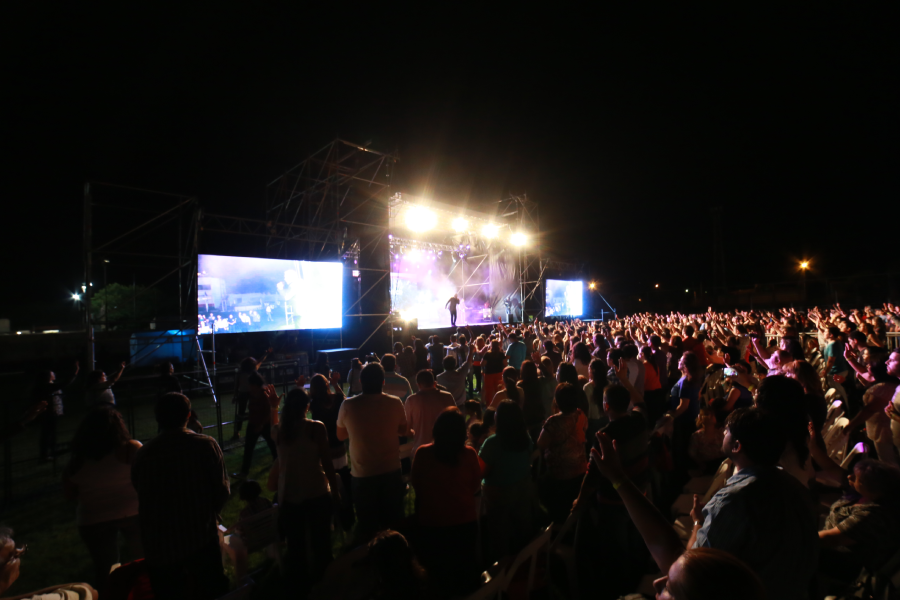
Not every LED screen system used in every event is prepared with the same technical structure. In concerts, fast-paced video content, stage effects, and live performance images may be prioritized. In congresses, readability, presentation transitions, camera view, color accuracy, and uninterrupted broadcasting are more important.
Congress presentations often use small text, detailed graphics, and comparison tables. Therefore, when choosing a screen, only the total screen size should not be considered. Viewing distance and pixel pitch should also be evaluated.
A very large screen does not always mean better results. A screen disproportionate to the stage can cause the speaker to be overshadowed. A screen that is too small can make it difficult for participants in the back rows to follow the content. The most appropriate solution is determined according to the physical structure of the hall and the seating arrangement of the participants.
How to Determine the Right LED Screen Size?
One of the most important decisions in planning congress LED screen rental is the screen size. When determining this size, the hall capacity, the width of the stage, the ceiling height, and the furthest viewing point should be considered together.
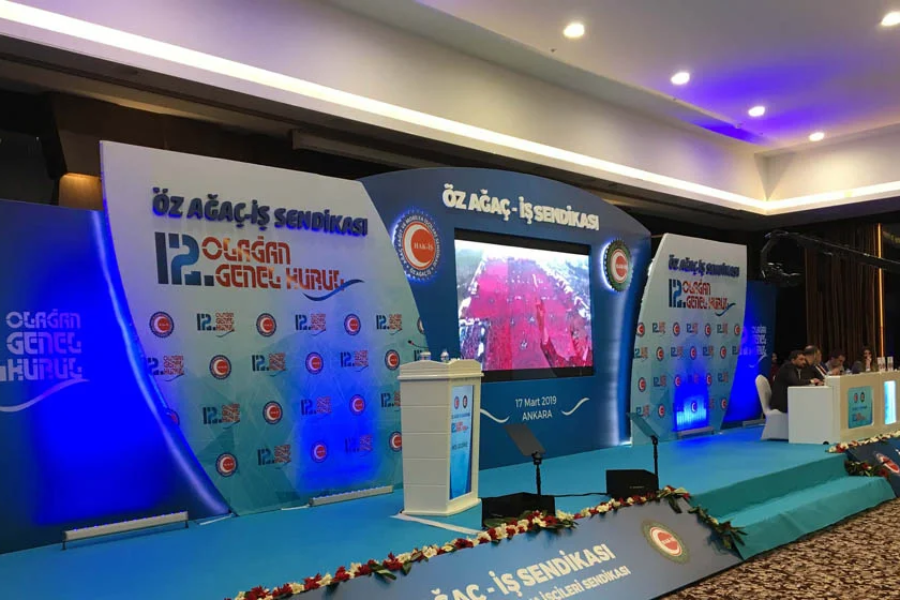
For example, in a horizontal and wide congress hall, a single central screen may not be sufficient. Using two auxiliary screens alongside the main screen can allow attendees with varying seating angles to view the content more comfortably. In smaller venues, a single high-resolution LED screen positioned in the center of the stage may suffice.
When determining screen size, the following questions should be answered:
- What is the total capacity of the hall?
- What is the distance between the stage and the last row?
- Are there any columns or architectural elements that could obstruct attendees' views?
- Will presentations use small text and detailed graphics?
- Will live camera footage be displayed on the screen?
- Will multiple pieces of content be shown simultaneously?
Based on this information, the screen's aspect ratio and total viewing area can be planned.
Pixel Pitch and Image Quality
One of the key factors affecting image quality in LED screen systems is pixel pitch. Pixel pitch refers to the distance between the LED dots on the screen. If participants will be sitting close to the screen, screens with a lower pixel pitch should be preferred.
Viewing distances in conference halls are often shorter than in concerts and outdoor events. Therefore, indoor LED screen panels that can provide clear images from close distances are used. If the correct pixel pitch is not chosen, participants sitting close to the screen may notice the LED dots in the image.
However, choosing the lowest pixel pitch alone is not enough. The resolution of the content, the video processor used, the computer output, and the physical aspect ratio of the screen also determine the image quality. The technical team should plan all these components together.
How to Transfer Conference Presentations to LED Screens?
In conferences, multiple speakers may use different computers and presentation files on the same day. Some speakers may use PowerPoint presentations while others may use video, online links, or different image sources. Therefore, content management should be prepared before the event begins.
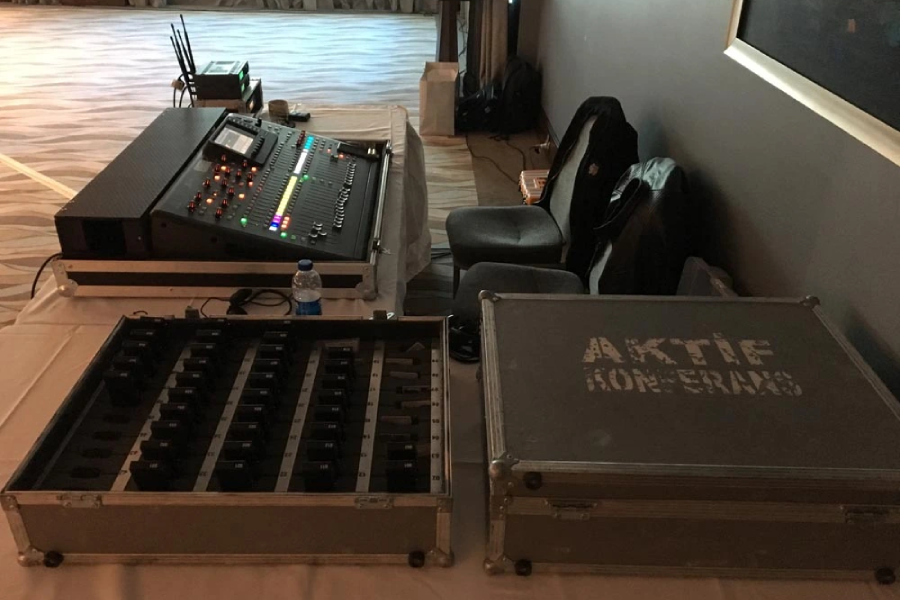
In a professional conference system, instead of the speaker's computer being directly connected to the screen for uncontrolled transitions, the broadcast is managed through a video control panel. This prevents the display of computer desktops, notifications, or technical errors on the screen when switching between presentations.
The following operations can be performed via the video control system:
- Switching between speaker presentations
- Playing opening and interlude videos
- Displaying live camera feed
- Showing speaker name and session title
- Displaying sponsor logos
- Displaying remote participant feeds
- Simultaneous use of presentation and camera feed
This structure ensures a more controlled and professional progress of the event.
Why Use Live Camera Feed?
In large conference halls, participants sitting in the back rows may not be able to clearly see the speaker's facial expressions and details on the stage. When a live camera system is used, a close-up image of the speaker is projected onto the LED screen, creating a more powerful viewing experience for the entire hall.
The camera feed is not only used to show the speaker. It can be used to switch between the moderator and speakers in panel sessions. Participants in the hall can be projected onto the screen during question-and-answer sessions. Important moments such as award ceremonies, opening speeches, or protocol participations can also be recorded.
Live video transmission requires low latency, color matching between the camera and screen, and accurate framing. Therefore, the LED screen system, camera crew, and cinematographer must work in coordination.
Harmony of LED Screen and Simultaneous Translation Systems
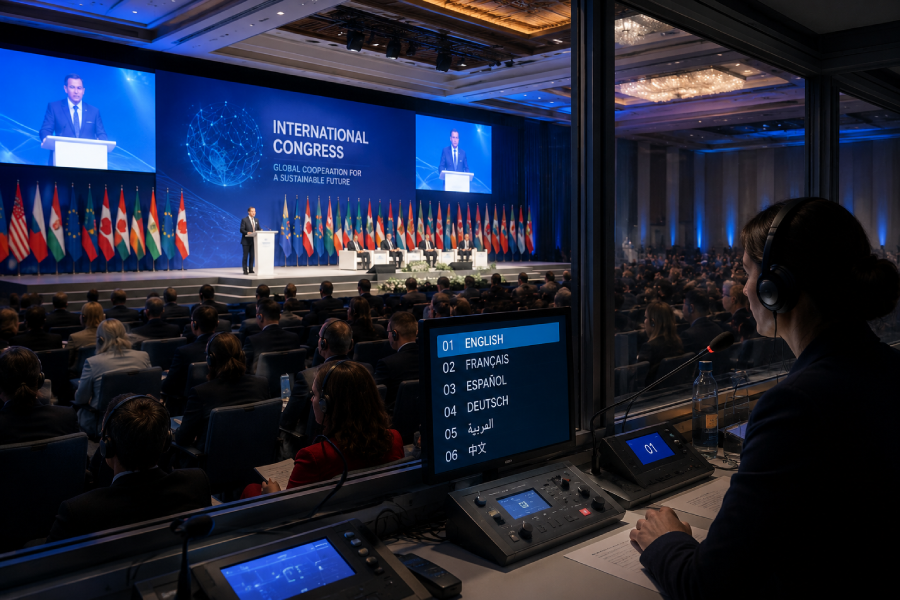
In international congresses, LED screens can be planned together with a simultaneous translation system. While the speaker's presentations are shown on the screen, translation services in different languages are delivered to participants via headset systems.
In some organizations, foreign speakers may participate in the event online. In this case, the speaker's image, presentation, and voice must be synchronized within the same system. A correct connection must be established between the sound system and translation booths while the image is being transmitted to the screen.
The independent preparation of technical systems by different teams can lead to incompatibility during the event. Therefore, managing the LED screen, sound, camera, live broadcast, and translation systems through a single technical plan ensures a more secure operation.
How to Install a Congress LED Screen?
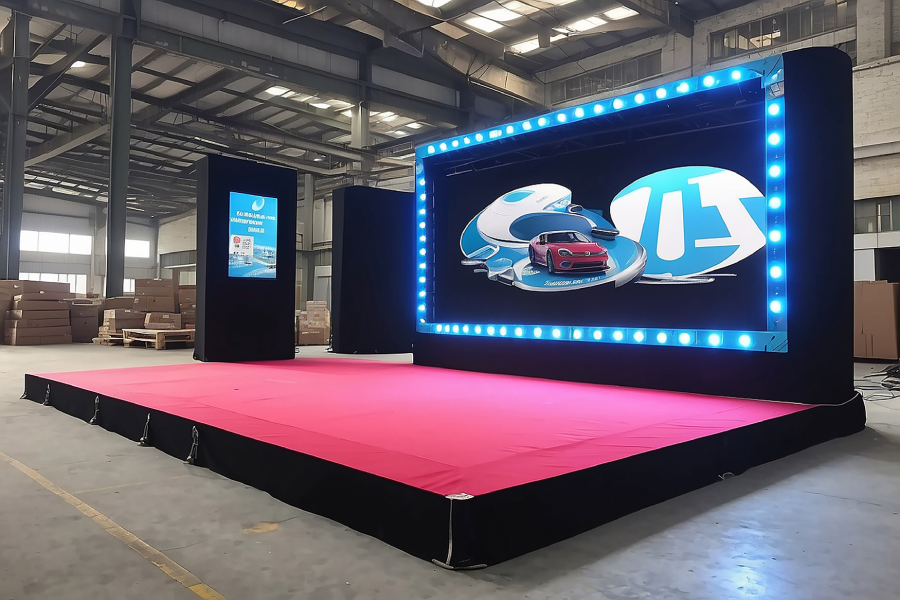
The installation process begins with an inspection of the event area. The stage dimensions, electrical infrastructure, load-bearing points, and the area where the screen will be placed are checked. Then, the LED screen panels are assembled in a modular way.
Depending on the stage structure, the screen can be installed with a ground-supported system or, if suitable support infrastructure is available, positioned with a suspension system. In both methods, safety is a priority. The screen's balance, connection points, power distribution, and cable routing must be checked by the installation team.
After the installation is complete, a display test is performed. Presentation computers, video playback system, camera sources, and backup connections are tested. Testing speaker presentations before the event begins prevents problems related to file format and resolution.
Why is Technical Operator Support Necessary?
During the congress, it may be necessary to switch between different content within seconds. After a speaker's presentation, an interlude video may play, followed by a panel session and a live camera feed. Ensuring these transitions are made at the right time is the responsibility of the technical operator.
The operator doesn't just turn the screen on and off. They monitor the screen's color, brightness, and resolution settings; check connections; and immediately address any potential problems. Without professional technical support, even a minor connection issue can disrupt the program.
Especially in congresses with multiple sessions and multiple halls, each hall may have its own separate technical workflow. In this case, central coordination and hall-based operator support should be planned.
What Affects Congress LED Screen Rental Prices?
Congress LED screen rental prices are not determined by a single fixed figure. Each organization has different hall structures, event durations, and technical requirements. Therefore, evaluating the details of the organization is necessary to prepare an accurate quote.
The main factors affecting the price are:
- Total size of the LED screen
- Pixel pitch of the panel to be used
- Number of days the event will last
- Installation and dismantling schedule
- Location of the city and event area
- Need for a supporting stage or suspension system
- Image processing and control system
- Camera and live broadcast support
- Number of technical operators
- Need for auxiliary screens and stage monitors
Instead of only considering the lowest price, the scope of service, the quality of the equipment used, and the level of technical support should be compared. Image interruptions and technical problems that may occur during the congress can directly affect the professional perception of the organization.
Common LED Screen Planning Mistakes in Congresses
In congress organizations, screen selection is sometimes left to the final stage of the event. However, stage design, presentation content, and camera placement can be shaped according to the LED screen size. Late planning can lead to congestion in the stage area and deficiencies in the technical infrastructure.
Some of the most common mistakes include:
- Not determining the screen size according to the hall capacity
- Presentations not being prepared to match the screen aspect ratio
- Not testing speaker files before the event
- Not having a backup image source
- Planning camera and screen systems separately
- Not positioning the screen according to the light sources on the stage
- Attempting to use the system without a technical operator
Most of these mistakes can be prevented with pre-event reconnaissance and technical rehearsal.
Powerful Display Infrastructure for Professional Congresses
No matter how valuable the content is at congresses, the impact of the presentation decreases if participants cannot see the content clearly. A professional LED screen system ensures that scientific data, speaker presentations, live camera images, and sponsor content are clearly displayed throughout the hall.
Aktif Konferans offers LED screen rental solutions for congresses, conferences, seminars, and corporate events. The appropriate screen size and technical infrastructure are planned by evaluating the structure of the event area, the number of participants, the presentation format, and the stage design. Thanks to the technical support provided from installation to the end of the event, the goal is to ensure a controlled and uninterrupted flow of images.
Frequently Asked Questions
What is congress LED screen rental?
LED screen rental for congresses is a technical service that enables speaker presentations, live camera footage, videos, and event announcements to be displayed on large, high-resolution screens.
Should LED screens or projectors be used at congresses?
This choice depends on the size of the hall, lighting, and viewing distance. In large and well-lit halls, LED screens can provide higher brightness and visibility.
How is the size of a congress LED screen determined?
The screen size is determined by considering the hall capacity, stage width, ceiling height, distance to the last viewing row, and the nature of the content to be displayed.
Can live camera footage be transmitted to an LED screen system?
Yes. Using a professional image management system, speaker, panel, and hall images can be transmitted to the LED screen simultaneously.
How are congress LED screen rental prices calculated?
Prices vary depending on screen size, pixel pitch, event duration, installation area, camera requirements, image control system, and the number of technical personnel.