Saray Cumhuriyet Mahallesi Şehit Ali Aktaş Caddesi 23/D Pursaklar/Ankara
  +90 312 496 51 91
  info@aktifkonferans.com.tr


LED Screen Usage at Events
Visual technologies are one of the most important elements that enhance the participant experience in event organization. Today, simply preparing a good program or choosing the right venue is not enough. Participants need to be able to clearly see the content on stage, comfortably follow presentations, effectively perceive brand messages, and strongly feel the event atmosphere. At this point, the use of LED screens in events has become an indispensable technical solution for professional organizations.
LED screens can be used in many different types of events thanks to their high brightness, clear image quality, wide viewing angle, and modular installation advantage. From congresses to concerts, from trade shows to launches, from outdoor events to corporate meetings, LED screen systems stand out as a powerful visual communication tool in many areas.
Speeches, presentations, video content, live camera footage, sponsor logos, or brand promotional films can be conveyed much more effectively via LED screens. Especially in large-scale events, the use of LED screens provides a significant advantage for participants who are far from the stage to comfortably follow the event.
Aktif Conference provides professional LED screen rental, installation, technical operation, and image management services for events, contributing to organizations having a more impressive, organized, and powerful visual infrastructure.
What is an LED Screen?
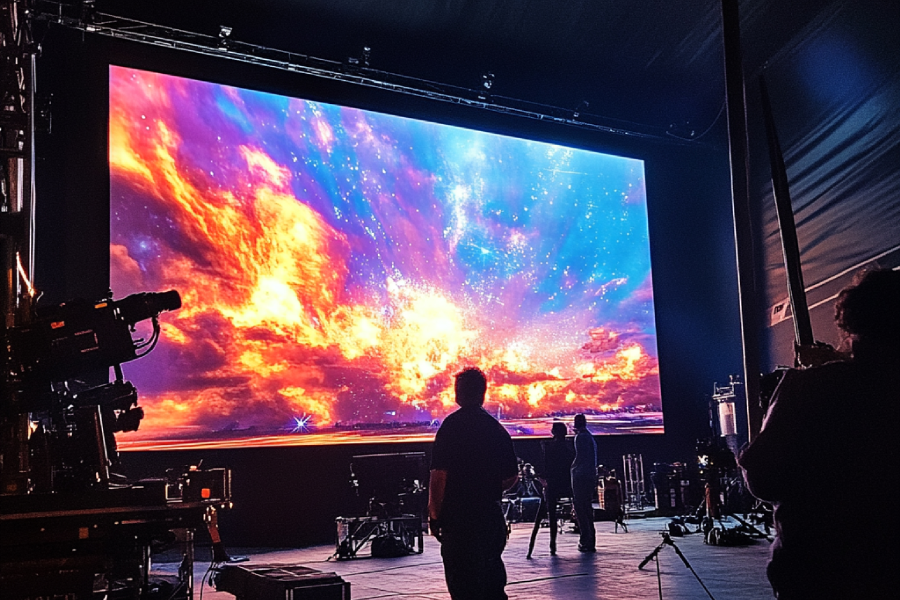
An LED screen is a professional display system created by assembling numerous LED panels. Thanks to its modular structure, it can be installed in different sizes and planned in custom dimensions according to the needs of the event area. While a more compact screen can be used in a small conference hall, a giant LED screen can be installed backstage at a large outdoor concert.
One of the most important advantages of LED screens is their high brightness level. Thanks to this feature, clear images can be obtained in both indoor and outdoor events. In addition, thanks to the wide viewing angle, participants can easily follow the screen from different points of the hall or event area.
Compared to traditional projection systems, LED screens offer more vibrant colors, stronger contrast, and more effective visibility. Therefore, the use of LED screens, especially in professional events, has become an important choice that increases the technical quality of the organization.
Why is the Use of LED Screens Important in Events?
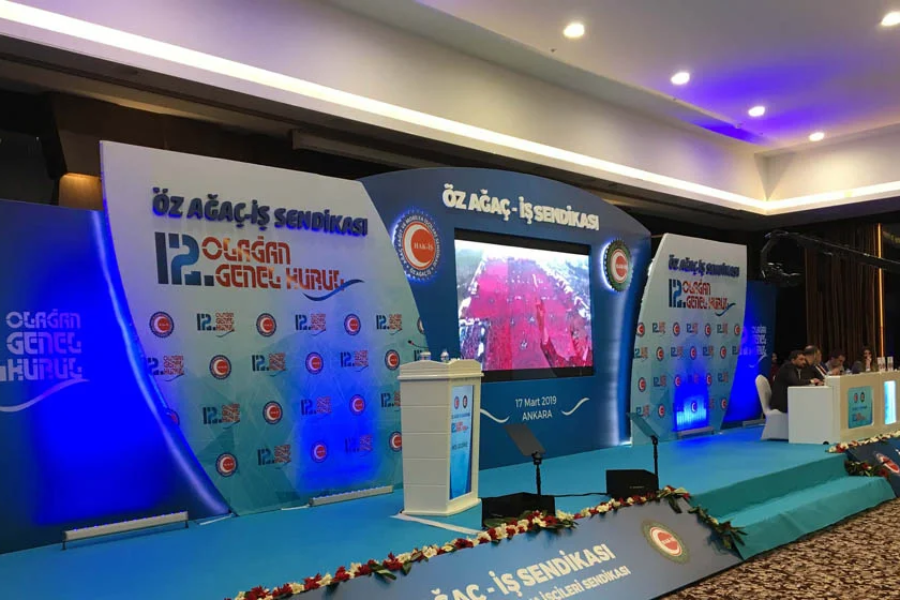
The primary purpose of using LED screens at events is to deliver the content on stage to participants more clearly and effectively. Especially in large halls or outdoor areas, it may not be possible for everyone to see the stage with the same clarity. LED screens eliminate this problem by enlarging the image on the stage and reaching a wider audience.
A speaker's presentation at a conference, a close-up of an artist at a concert, a product promotional video at a trade show, or a brand film at a launch event can be presented more professionally through LED screens. This not only improves visual quality but also strengthens the overall perception of the event.
Organizations using LED screens appear more modern, technological, and corporate. Participants perceive a visually strong event as more professional and memorable. Therefore, using LED screens is a significant technical investment that supports the prestige of the organization.
Which Events Use LED Screens?
LED screen systems have a very wide range of applications. Different screen solutions can be chosen depending on the type of event, the size of the area, and the desired visual impact.
Congresses and Conferences
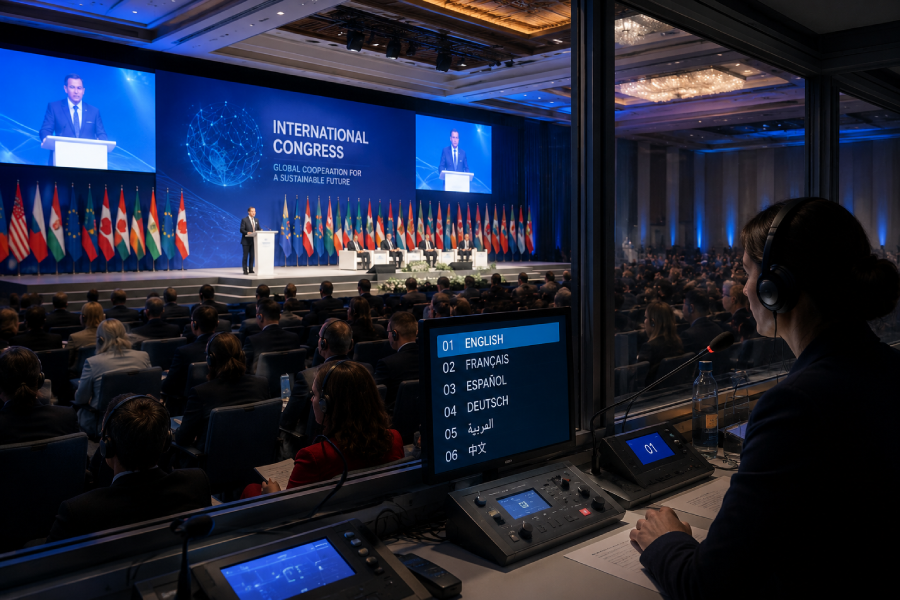
In congress and conference organizations, presentations must be clearly visible to all participants. Image quality is especially important in presentations containing graphics, tables, videos, and text. LED screens make presentation content more readable and understandable.
In large halls, a live camera feed of the speaker can also be projected onto the LED screen. This allows even participants in the back rows to follow the speaker more easily.
Concerts and Stage Events
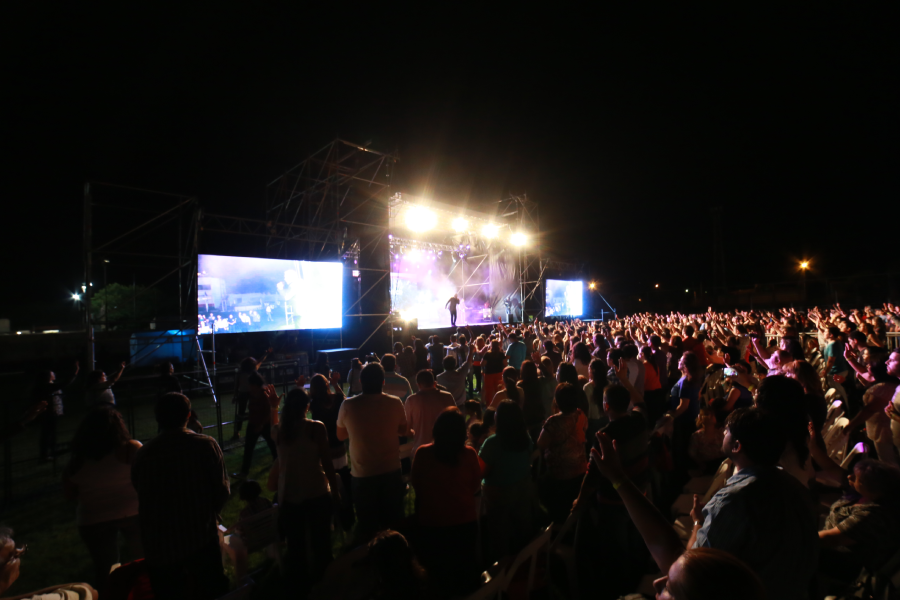
In concerts, LED screens are an important part of stage design. Giant LED screens used backstage or on the sides of the stage provide the audience with close-up views of the artist. At the same time, clips, animations, stage effects, and visual backgrounds are broadcast via LED screens, enhancing the atmosphere of the event.
Trade Fair Organizations
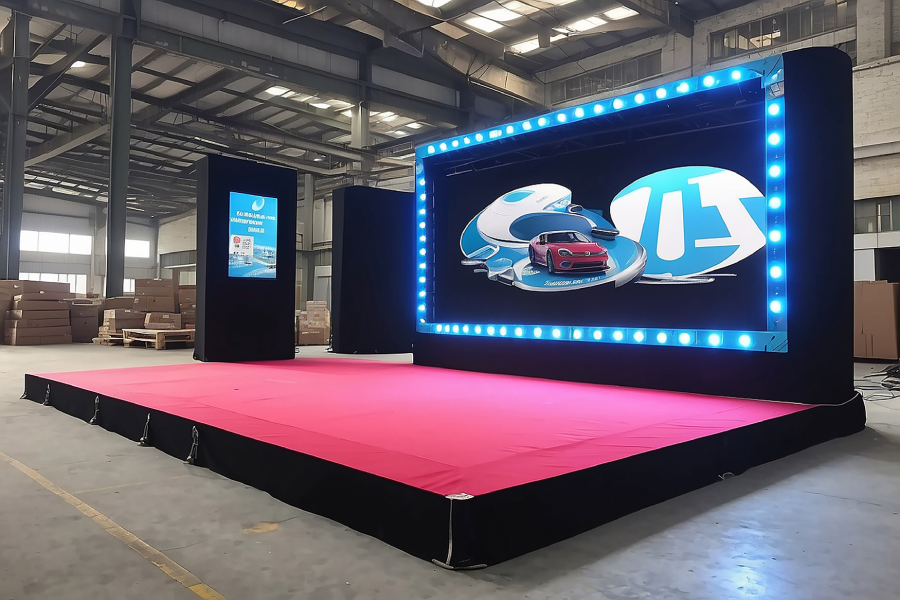
Attracting attention from brands is crucial in trade fair areas. LED screens create an effective presentation area for product promotional videos, corporate films, campaign announcements, and brand messages at trade fair stands. Moving visuals attract more attention than static banners and make it easier for visitors to approach the stand.
Launches and Corporate Events
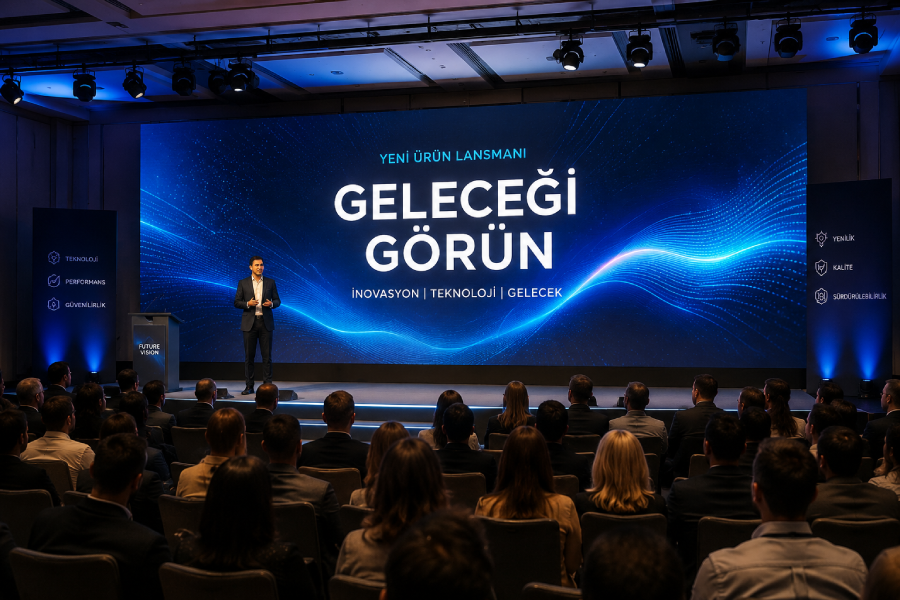
LED screens are used to strongly reflect brand identity in product launches, dealer meetings, gala nights, award ceremonies, and corporate events. Logos, slogans, promotional videos, sponsor content, and presentation files can be professionally displayed on LED screens.
Outdoor Events
Outdoor LED screen systems are preferred in festivals, square events, municipal events, outdoor concerts, and sporting events. Because these screens have a high brightness level, they can provide clear images even in daylight. Using outdoor LED screens is crucial for ensuring that the content on stage can be followed by everyone in large areas.
Choosing Indoor and Outdoor LED Screens
When using LED screens at events, it's necessary to choose the right screen type. LED screens are generally divided into two main categories: indoor and outdoor.
Indoor LED screens are suitable for indoor events. They are preferred in congress halls, hotels, conference centers, exhibition stands, and corporate meeting areas. They offer image quality suitable for close viewing distances. Written presentations, graphics, brand visuals, and video content can be clearly displayed on indoor screens.
Indoor LED screens Outdoor LED screens are designed for outdoor events. They have high brightness values and are more resistant to outdoor conditions. Using outdoor LED screens is a better choice for concerts, festivals, public events, and outdoor launches.
Choosing the wrong screen can negatively affect image quality at the event. Using a screen with insufficient brightness in an outdoor setting can result in dull images. Using excessively high brightness indoors can be disturbing for attendees. Therefore, LED screen selection must be made according to the event area.
Advantages of LED Screen Use for Organizations
Using LED screens at events provides many important advantages. These advantages both simplify the organizers' work and enhance the participant experience.
The most important advantage of LED screens is their high visibility in large areas. Attendees can more easily follow speeches, performances, or presentations on stage. This is especially important in crowded events.
Another advantage is the more effective transmission of brand messages. In corporate events, logos, slogans, promotional videos, and sponsor content can be displayed prominently on LED screens. This strengthens brand perception.
LED screens also modernize stage design. Stages supported by visual content appear more dynamic, professional, and impressive. This effect is particularly noticeable in concerts, launches, and gala events.
The main advantages of using LED screens are:
- They allow stage content to be seen more clearly.
- They help participants follow the event more comfortably.
- They powerfully display brand, sponsor, and promotional content.
- They make stage design modern and impressive.
- They can work integrated with live camera, control room, and video systems.
- They offer solutions suitable for indoor and outdoor events.
These advantages make LED screen systems one of the most important visual technologies for professional organizations.
How to Plan LED Screen Installation?
LED screen installation is a process that requires professional technical planning. Before the event, the size of the area, stage dimensions, viewing distance, number of participants, content to be used, and the location of the screen should be analyzed.
In installation planning, the location of the screen is determined first. It should be clarified whether it will be positioned behind the stage, next to the stage, at a trade show booth, or in a central point of the open area. Next, the screen size and technical specifications are determined.
When installing LED panels, alignment, safety, electrical connections, and signal infrastructure must be carefully prepared. After installation is complete, image tests are performed. Brightness, color balance, resolution, aspect ratio, and content compatibility are checked.
Technical rehearsal before the event is also very important. Presentation files, videos, camera footage, and stage transitions should be tested beforehand. This helps prevent image interruptions or format problems that may occur during the event.
Live Camera and LED Screen Integration
In large events, LED screens are often used in conjunction with live camera systems. Especially at concerts, conferences, panels, gala nights, and award ceremonies, the real-time transmission of the stage image to the LED screen enhances the participant experience.
When using a live camera system, the production team manages different image sources. Switching between speaker images, stage shots, presentation screens, audience images, or video content is possible. This structure gives the event a more professional broadcast flow.
However, for the camera, production team, and LED screen integration to work smoothly, the technical infrastructure must be correctly established. Problems such as image delay, connection issues, or incorrect formats can negatively affect the event flow. Therefore, experienced technical team support is crucial.
How Should LED Screen Content Be Prepared?
To get the maximum benefit from LED screens, the content to be displayed on the screen must be prepared in the correct format. Low-resolution images, small text, or videos with incorrect aspect ratios may not look professional on a large screen.
In corporate events, logos, sponsor images, presentations, and promotional videos should be prepared to fit the screen dimensions. Shorter, more eye-catching, and message-focused content should be preferred for trade fair organizations. For concerts and festivals, animations, visual effects, and video content suitable for the stage atmosphere can be used.
In outdoor events, text needs to be readable from a distance. Therefore, content should be prepared with simple, high-contrast, and strong visual structures. LED screens should be considered not just equipment that displays images, but a crucial tool that enhances the communication power of the event.
Professional LED Screen Usage in Events with Aktif Conference
The use of LED screens in events directly affects the visual quality and professional perception of the organization. Therefore, the screen selection, installation, content compatibility, and technical support processes should be managed by experienced teams.
Aktif Conference offers professional LED screen rental and installation services for congresses, conferences, concerts, trade fairs, launches, galas, festivals, and outdoor events. The most suitable screen solutions are planned according to the event area, number of participants, viewing distance, and program flow.
From installation to image testing, from live camera integration to technical operations, the entire process is managed by an expert team. Thus, organizations become technically secure, visually powerful, and more engaging for participants.
LED Screen Technology for a Powerful Visual Experience at Events
Creating a successful visual experience at events increases participant engagement and the benefit they derive from the event. LED screen systems are effective technologies that deliver stage content to a wide audience, strengthen brand messages, and give the organization a modern look.
With the right screen selection, professional installation, quality content management, and technical support throughout the event, LED screens become one of the most powerful visual tools for organizations. Using LED screens provides a significant advantage in making presentations more understandable at conferences, enhancing the stage atmosphere at concerts, increasing brand visibility at trade shows, and making product launches more impressive.
Therefore, LED screen systems should be considered an important part of the technical infrastructure when planning a professional event.